Innovative Acoustic Environments: Transforming Design and Experience
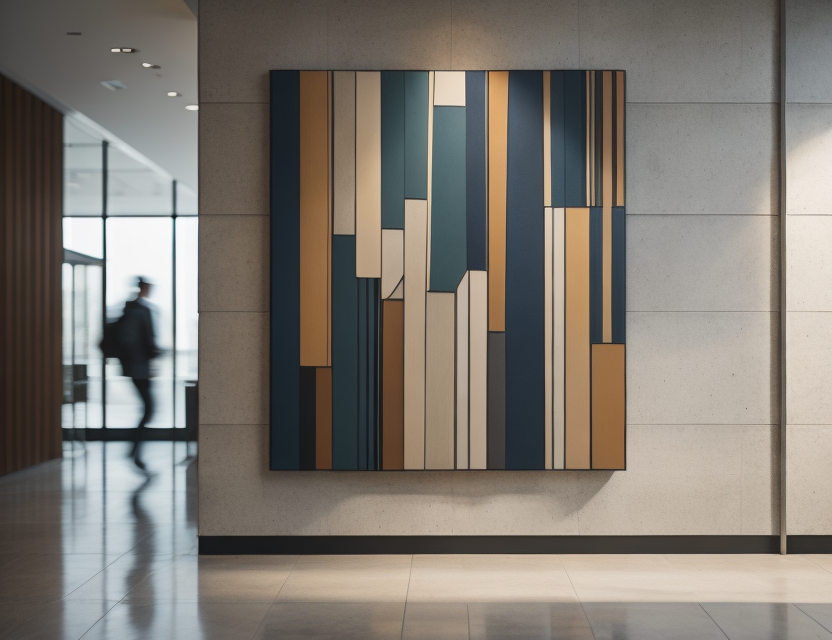
Creating spaces that engage our senses is essential in today's world. As we spend more time in various environments, the importance of sound design becomes increasingly evident. Innovative acoustic environments are not just about reducing noise; they are about enhancing experiences, fostering creativity, and improving well-being. This blog post explores how sound can transform design and experience, providing insights and practical examples to inspire your next project.
Understanding Acoustic Environments
Acoustic environments refer to the sound characteristics of a space. They encompass everything from the materials used in construction to the layout of furniture. A well-designed acoustic environment can significantly impact how we feel and interact within a space.
The Importance of Sound Design
Sound design plays a crucial role in shaping our experiences. Here are some key reasons why it matters:
Emotional Impact: Sound can evoke emotions and set the mood. For instance, soft music in a café can create a relaxed atmosphere, while upbeat tunes in a retail store can energize shoppers.
Cognitive Function: Research shows that background noise can affect concentration and productivity. A well-balanced acoustic environment can enhance focus and creativity.
Health and Well-being: Excessive noise can lead to stress and health issues. Designing spaces with sound in mind can promote relaxation and well-being.
Elements of Innovative Acoustic Design
Creating an innovative acoustic environment involves several key elements. Here are some to consider:
Material Selection
The materials used in a space can significantly influence its acoustic properties. Here are some options:
Absorptive Materials: Fabrics, carpets, and acoustic panels can absorb sound, reducing echoes and background noise.
Reflective Materials: Hard surfaces like glass and concrete can reflect sound, which may be desirable in certain settings, such as concert halls.
Diffusive Materials: These materials scatter sound waves, creating a more balanced acoustic environment. Examples include specially designed wall panels and ceiling tiles.
Spatial Layout
The arrangement of furniture and architectural features can also impact sound. Consider the following:
Open Spaces: While open layouts promote collaboration, they can also lead to increased noise levels. Strategic placement of sound-absorbing elements can help mitigate this.
Zoning: Creating distinct zones within a space can help manage sound. For example, quiet areas for focused work can be separated from lively collaboration zones.
Technology Integration
Incorporating technology can enhance acoustic environments. Here are some examples:
Sound Masking Systems: These systems add a low-level background noise to mask distracting sounds, improving privacy and focus.
Smart Acoustic Solutions: Advanced technologies can adjust sound levels based on occupancy and activity, creating a dynamic acoustic environment.
Practical Applications of Acoustic Design
Innovative acoustic environments can be applied in various settings. Here are some examples:
Educational Institutions
In schools and universities, sound design is crucial for effective learning. Here’s how:
Classroom Acoustics: Proper acoustic treatment can reduce distractions, allowing students to focus better. For instance, using acoustic panels and carpets can help absorb sound.
Auditoriums: Designing auditoriums with sound in mind ensures that speeches and performances are heard clearly. This can involve using reflective surfaces strategically to enhance sound projection.
Healthcare Facilities
In healthcare settings, sound can significantly impact patient recovery and staff efficiency. Consider these approaches:
Patient Rooms: Soft furnishings and sound-absorbing materials can create a calming environment for patients, promoting healing.
Waiting Areas: Incorporating soothing background music and sound masking can help reduce anxiety for patients and visitors.
Hospitality Spaces
In hotels and restaurants, creating a pleasant acoustic environment can enhance the guest experience. Here are some strategies:
Dining Areas: Using soft materials and strategic layouts can minimize noise, allowing guests to enjoy conversations without distractions.
Lobbies: A well-designed lobby with thoughtful acoustic elements can create a welcoming atmosphere, setting the tone for the entire guest experience.

The Future of Acoustic Design
As we move forward, the importance of innovative acoustic environments will only grow. Here are some trends to watch:
Sustainability
Sustainable design practices are becoming increasingly important. Acoustic solutions that use recycled materials or are energy-efficient will likely gain traction.
Biophilic Design
Integrating nature into design can enhance acoustic environments. Natural materials and elements can improve sound quality while promoting well-being.
Personalization
As technology advances, personalized acoustic solutions will become more common. Spaces may adapt to individual preferences, creating tailored experiences for users.
Conclusion
Innovative acoustic environments are transforming how we experience spaces. By understanding the importance of sound design and applying practical strategies, we can create environments that enhance well-being, productivity, and creativity. Whether in educational institutions, healthcare facilities, or hospitality spaces, the impact of thoughtful acoustic design is profound.
As you embark on your next design project, consider how sound can shape the experience. Explore materials, layouts, and technologies that can create a harmonious acoustic environment. The future of design is not just about what we see; it's also about what we hear. Embrace the power of sound to transform your spaces.
Comments